
Best Way to Clean an Oven: Step-by-Step Deep Cleaning Guide for Homeowners
Updated: Jun 24

Table of Contents
Homeowners often delay appliance maintenance because it feels like a messy chore. Putting off this task allows heavy grease to accumulate, causing a smoky smell during preheating and reducing appliance heating performance. Old food particles burn repeatedly every time you cook. This affects the taste of your meals and lowers indoor air quality.
Finding out how to deep clean an oven protects your kitchen investment. Proper upkeep extends the life of your heating elements. Following a structured process makes the chore highly manageable. Let’s learn the best way to clean an oven and remove stubborn buildup safely to maintain a healthier cooking environment.
Step-by-Step Guide: The Best Way to Clean an Oven Safely

Gathering your materials beforehand prevents interruptions during the cleaning process.
Here is your checklist of necessary supplies.
Baking soda: A gentle abrasive for lifting grease.
White vinegar: An acid to react with baking soda.
Dish soap: A degreaser for soaking racks.
Microfiber cloths: Soft towels for wiping surfaces without scratching.
Non-abrasive scrub brush: A tool for gentle scrubbing on tough spots.
Gloves: Hand protection during scrubbing and handling chemicals.
Home oven cleaner: An optional commercial product for heavy buildup.
Many people prefer natural solutions for routine care. A commercial home oven cleaner helps with thick layers of burnt residue.
Follow these simple steps to prepare and apply your natural cleaning mixture. This straightforward process ensures the ingredients work effectively on tough stains.
Combine the ingredients: Start the natural method by mixing a baking soda paste ratio of one part water to three parts baking soda in a small bowl.
Check the consistency: Make sure the paste resembles thick pancake batter. Water is essential because baking soda cannot effectively break down carbon unless it is wet.
Apply the mixture: Spread it generously over all charred sections using a gloved hand or a silicone spatula.
Target heavy buildup: Build up extra layers of the mixture where carbon is highly accumulated.
Protect the heating elements: Do not get the paste on these metal coils at the top or bottom of the appliance.
Avoid the door seams: You must also actively avoid getting baking soda stuck inside the seams of double-pane glass.
For a quick wash, wait at least one hour before wiping. Let the paste sit for twelve hours or overnight for deep accumulation. The extended time allows the alkaline mixture to melt organic compounds.
Use a plastic spatula to lift away the hardened mixture carefully. Spray a solution of equal parts water and white vinegar over the remaining baking soda. The acid reacts with the base to lift the final layer of dirt. Let it fizz for fifteen minutes, and then wipe it clean with a damp sponge. You can use a homemade lemon cleaner for a streak-free exterior finish.
Learning the best way to clean an oven with these steps yields great results. Understanding how to deep clean your oven properly saves you significant physical effort.
Deep Cleaning Oven Racks and Protecting Your Kitchen Space
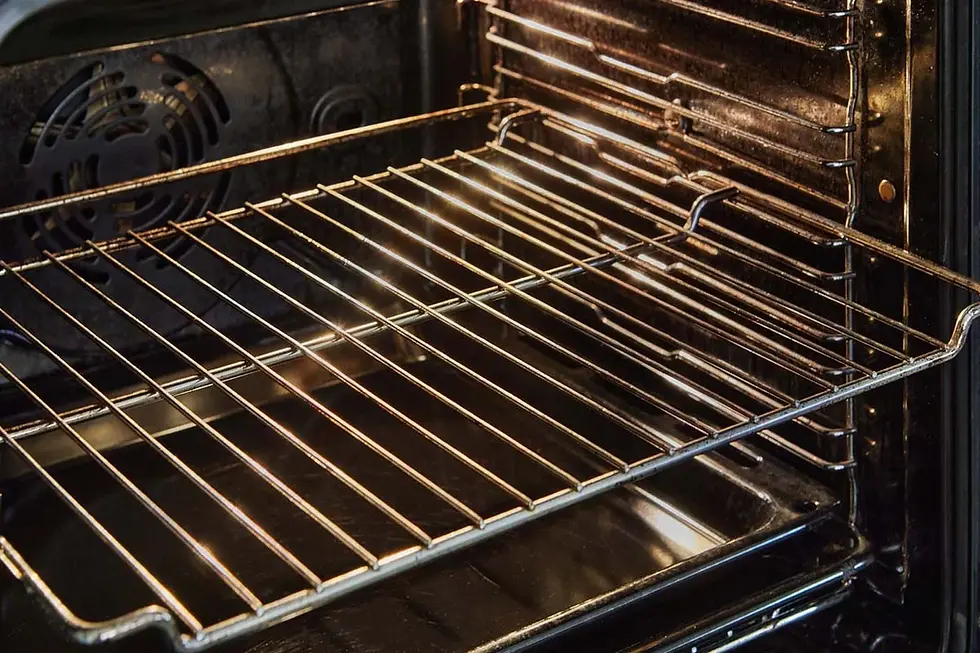
Structural appliance parts require separate treatment. These metal grates hold heavy amounts of baked-on food.
Follow these steps to soak your racks properly.
Remove the racks entirely and place them in a utility sink or bathtub.
Line the tub with old towels to prevent scratching the porcelain surface.
Cover the racks in hot water mixed with half a cup of mild dish soap or laundry detergent.
Soak the metal for at least two hours or overnight before scrubbing with a stiff brush. If you encounter highly stubborn spots after soaking, adding a sprinkle of dry baking soda directly onto your brush provides extra scouring power without scratching the metal.
Apply a light coating of cooking oil to the rack guides if they are difficult to slide back into the stove. Wipe off any excess oil with a paper towel.
Always place towels or a plastic trash bag on the floor underneath the door before applying pastes. This step catches chemical drops and food drippings before they stain your flooring. Fill an oven-safe dish with an inch of water and a teaspoon of lemon juice to neutralize smells. Place the dish inside on low heat for about an hour.
These actions demonstrate how deep cleaning an oven protects your surrounding workspace. Implementing these tips for oven cleaning keeps your entire kitchen tidy.
How to Clean Between the Oven Glass Panes and Remove the Door
Modern appliances trap grime in hidden places. Cool-to-touch doors use internal venting systems that allow air and grease to enter.
Grease and drips frequently get trapped between the multiple glass panes. You might have to physically remove the door entirely to clean between the layers. Learning how to manage the door is part of the best way to clean an oven thoroughly.
Follow these steps to remove the door safely.
Fully open the door to access the hinge locks.
Unclip the safety latches on both hinges all the way down.
Move the door to a partially closed position until you feel resistance.
Pull the door firmly up and off the metal hinges.
Place the door flat on a bench padded with soft towels before unscrewing the glass panes.
Vinegar and paper towels work best for achieving a streak-free shine on the outside. Citrus-based all-purpose cleaners are also highly effective for exterior stainless steel. Taking the door apart is an advanced part of oven cleaning.
When Should You Use Commercial Cleaners or Self-Cleaning Cycles?
Heavier residue sometimes requires a different approach. Thick carbon shields require intense chemical or thermal intervention.
Natural vs. commercial cleaners for the best way to clean an oven
Natural solutions like baking soda work well for lighter maintenance. A commercial home oven cleaner works faster for thick grease and burnt buildup. Before applying heavy chemicals, always check your appliance manual. Some strong commercial formulas can accidentally strip the protective enamel coating and void manufacturer warranties.
Commercial chemical safety protocols
Safety is a priority when using harsh chemicals. Keep your kitchen windows wide open for proper ventilation during the entire process. Turn on your ceiling fans to improve air circulation.
Follow these safety equipment requirements.
Eye protection: Wear safety glasses or a face mask to prevent chemical splashes.
Skin protection: Put on a long-sleeved top to protect your arms.
Hand protection: Use heavy-duty rubber gloves to avoid skin burns.
Instructions: Follow the printed product guidelines carefully for exact dwell times.
Pyrolytic self-clean settings guidelines
High-heat pyrolytic self-clean settings burn grime into ash at very high temperatures. The appliance locks itself and reaches eight hundred degrees Fahrenheit.
Follow these vital precautions before starting a cycle.
Remove all metal racks first to prevent permanent heat damage.
Ensure the room is highly ventilated by opening nearby doors.
Turn on the hood exhaust fan to maximum speed.
Move pets to a completely separate room or outside.
Birds are highly sensitive to fumes, so keeping them away is mandatory. These guidelines show how to deep clean an oven safely when using intense thermal cycles.
How Often Should You Clean An Oven?
Routine maintenance keeps your appliance running smoothly. Frequent wipe-downs prevent permanent stains from setting into the enamel.
You should complete a deep wash at least once a month. Obvious signs indicate your appliance is overdue for immediate attention.
Watch out for these common warning signs.
A smoky smell during preheating or baking.
A noticeable reduction in heating performance or uneven cooking.
A visible accumulation of crumbs in the door seals and hinges.
Regular care helps reduce smoke, odors, grease buildup, and burnt food residue. Consistent upkeep makes future tasks easier and helps extend appliance cleanliness. This habit improves overall kitchen hygiene and daily cooking performance.
You might find similar frequency advice from the best Toronto cleaning companies. Excellent deep cleaning services emphasize consistency to prevent permanent stains. If you want to clean a house professionally, keeping appliances pristine is always part of a standard apartment cleaning checklist.
Common Oven Cleaning Mistakes to Avoid
Preventative care protects your appliance from permanent damage. One wrong tool causes irreversible visual and functional harm.
Using abrasive tools: Do not use heavy steel wool on the chassis or harsh metal scrapers on glass. Scratches create microscopic grooves where future grease traps permanently.
Spraying electrical areas: Never spray commercial cleaners directly on heating elements. Strictly avoid using excessive water around control panels or pilot lights to prevent dangerous short circuits.
Forgetting to clean racks separately: Leaving the metal racks inside is a frequent error. This mistake leads to immediate grease transfer back onto your clean inner walls.
Skipping regular maintenance: Ignoring routine care allows carbonized food accumulation to build up over time. This neglect forces you to resort to harsh chemicals later.
Frame your routine around practical kitchen safety and protecting the financial investment of your appliance. Simple tips for oven cleaning lead to much easier long-term maintenance. Avoiding these specific mistakes ensures you protect your appliance while achieving excellent visual results.
When to Hire a Professional Cleaning Company for Oven Deep Cleaning

Stubborn grime sometimes requires outside help. Large households generate messes that outpace regular maintenance schedules.
Knowing the benefits of hiring a professional cleaning service helps you manage difficult household chores effectively. Professional teams use specialized tools to efficiently dismantle doors, wash individual glass layers, and lift baked-on grease residue without damaging surfaces.
Fortunately, finding reliable local resources is straightforward. Working with a trusted cleaning company Toronto residents rely on makes a huge difference in your daily routine.
Here are a few practical ways to find the right help for your kitchen.
Look into residential cleaning services that include appliance detailing in their standard packages.
Hire skilled professional house cleaners who follow rigorous internal processes to deliver sanitary results.
Book commercial cleaning services to maintain a spotless workplace kitchen.
Find business cleaning services for managed properties to guarantee proper appliance upkeep.
For busy homeowners, reviewing Toronto cleaning services provides a practical alternative to physical scrubbing. Passing the heavy work to local groups like Squeaky Cleaning Toronto completes the job without personal effort. Outsourcing becomes the best way to clean an oven when you lack the time to tackle the chore yourself.
Frequently Asked Questions
Can I use dish soap to wash the inside of my appliance?
Yes, mild dish soap cuts through light grease. It works best for routine wipedowns rather than severe carbon buildup. You must rinse the soap completely to avoid burning bubbles.
Will baking soda damage the glass window?
Baking soda is a mild abrasive and will not scratch the glass. You must ensure it is thoroughly wet to prevent dry friction. Gentle circular motions work best for lifting grime off the window.
Is it safe to leave white vinegar on surfaces overnight?
Leaving vinegar on metal for extended periods causes pitting. Always rinse the acid away after the chemical reaction finishes. A quick fifteen-minute dwell time is highly sufficient.
Do I need to remove the racks during a high heat cycle?
You must remove all racks before starting a pyrolytic cycle. High heat warps the metal and ruins their smooth, sliding finish. Wash them separately in your sink instead. Squeaky Cleaning services manage routine aspects of physical kitchen hygiene. Call our experts today for assistance.
How do I eliminate persistent burning smells from my stove?
Heating a bowl of water with lemon juice neutralizes lingering odors. You must physically remove the burnt food causing the smell first. Wipe down the heating elements gently once they are fully cool. If you need trusted cleaning services in Toronto, you can always contact us.
What areas does your professional cleaning team cover?
We cover a wide footprint across the Greater Toronto Area. We offer cleaning services in North York, cleaning services in Burlington, and cleaning services in Mississauga. You can check Squeaky Cleaning pricing to understand the standard costs for dedicated home cleaning services in the area.


